International

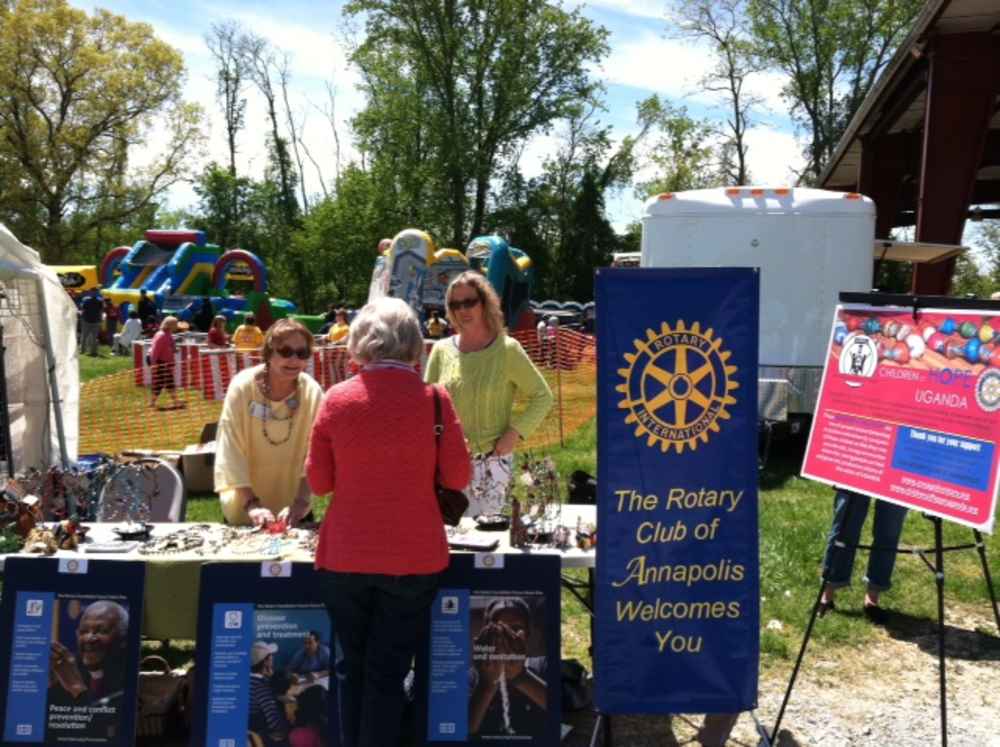
Welcome to the Annapolis Rotary Club International Lane!
The mission of The Rotary Foundation is to enable Rotarians to advance world understanding, goodwill and peace through the improvement of health, the support of education and the alleviation of poverty.
The Annapolis Rotary Club is proud to be an informed and active participant in The Rotary Foundation. We promote service above self by encouraging our members to go beyond their local communities and share their expertise in areas such as water, literacy and education, economic and community development and medical intervention.
The Rotary Foundation implemented a 3-year pilot program in July 2010 called Future Vision which is designed to:
• Simplify Foundation programs and processes consistent with the mission
• Focus Rotarian service efforts where they will have the greatest impact by addressing priority world needs that are relevant to Rotarians
• Offer funding options to help achieve both global and local goals
• Increase the sense of ownership at the district and club levels by transferring more decisions to the districts and their member clubs
• Advance understanding of the Foundation’s work and enhance Rotary’s public image
Our District (7620), is one of 100 pilot districts that has been chosen to participate in the 3 year Future Vision pilot program.
The Grant Structure for Future Vision is the following:
Global Grants (international)
Rotary Foundation Global Grants support larger projects with sustainable, high-impact outcomes within six areas.
• Peace and Conflict Resolution
• Disease Prevention and Treatment
• Water and Sanitation
• Maternal and Child Health
• Economic and Community Development
• Basic Education and Literacy
District Grants (local or international)
Districts can use these grants to fund scholarships, support vocational teams, sponsor volunteer service, provide disaster recovery assistance and carry out community or international service projects.
List of Current Projects:
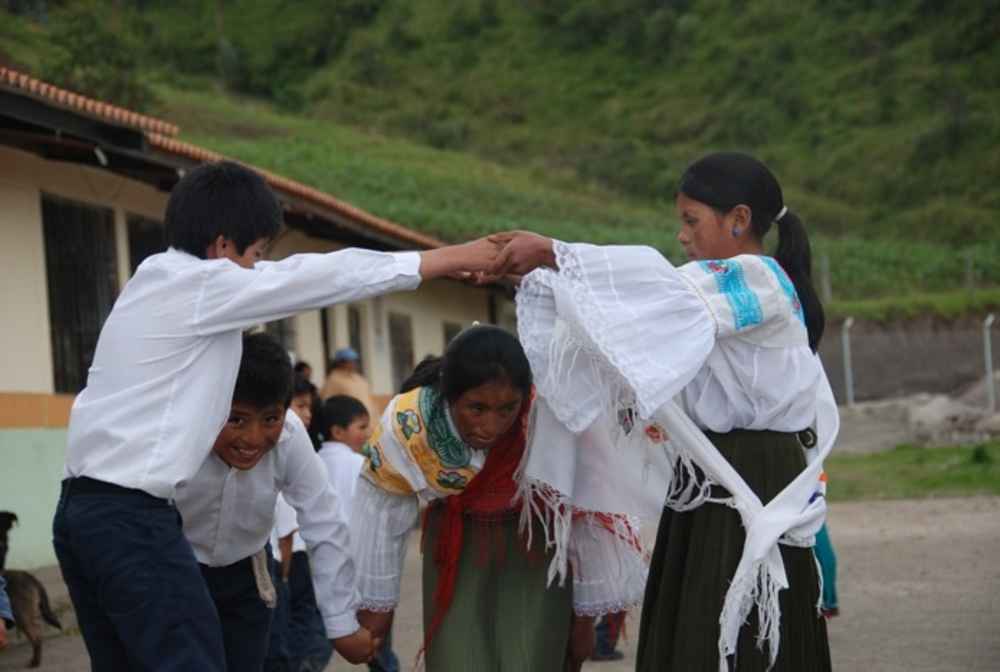
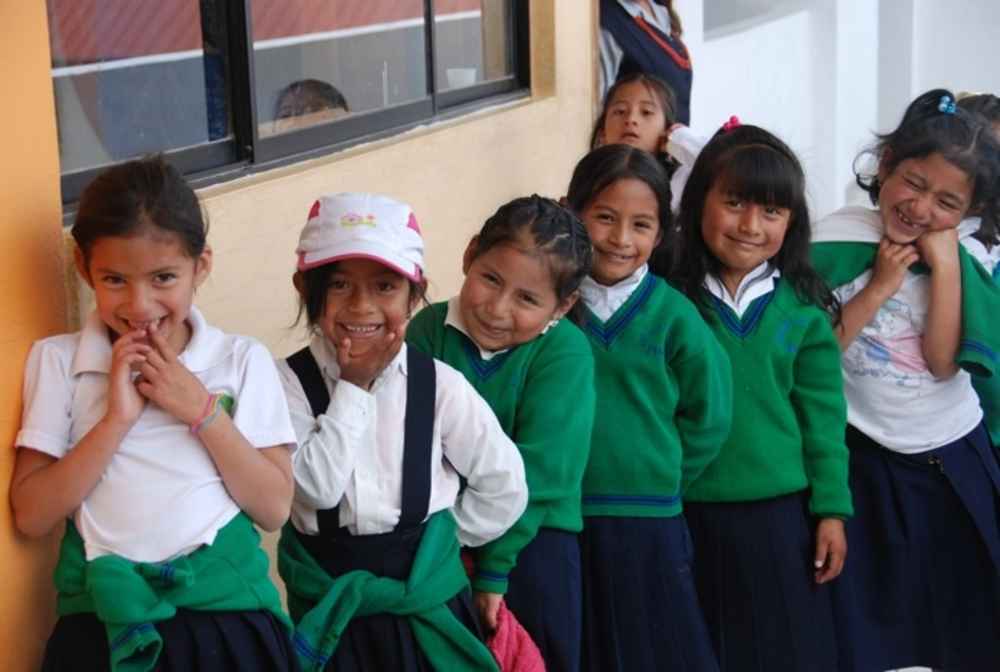
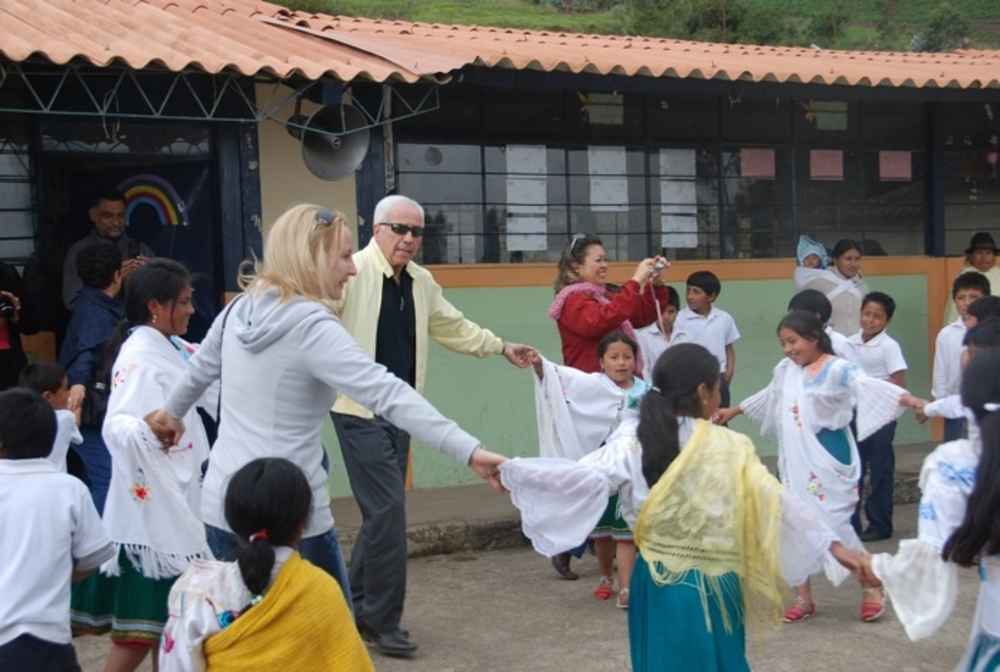
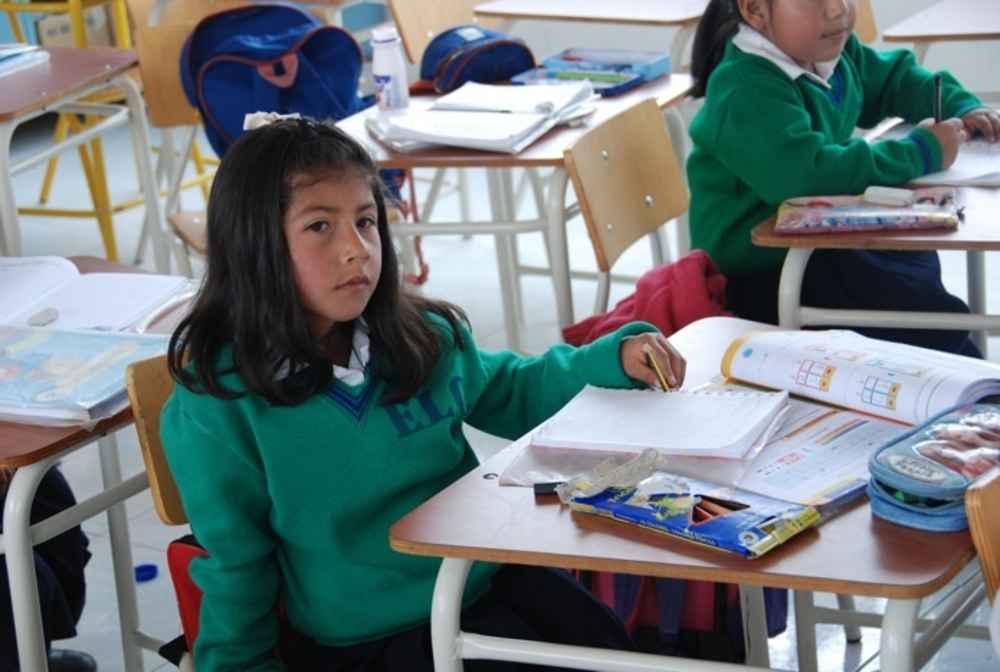
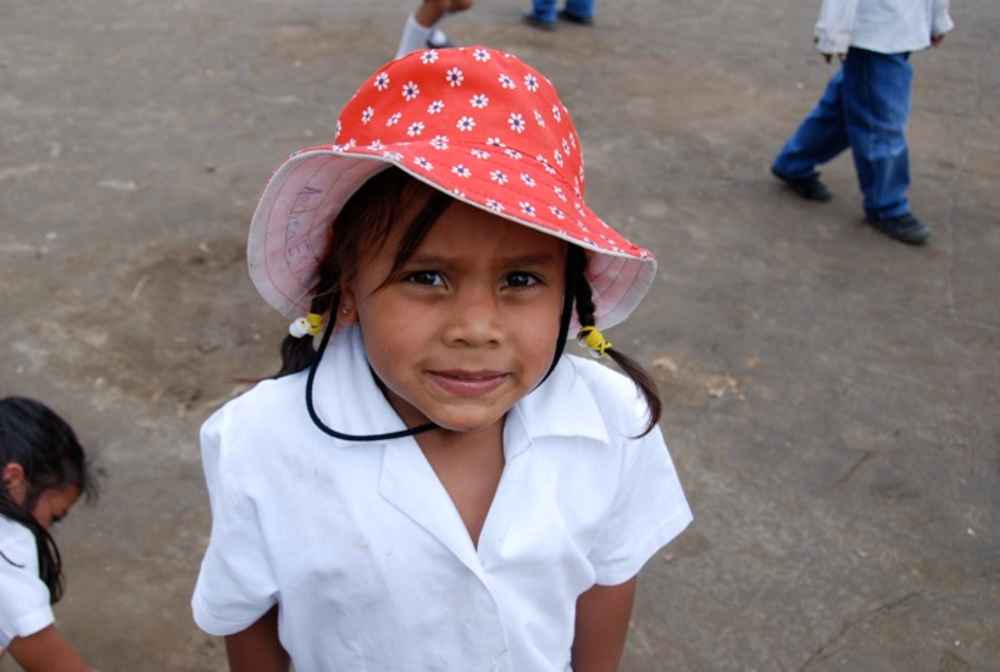
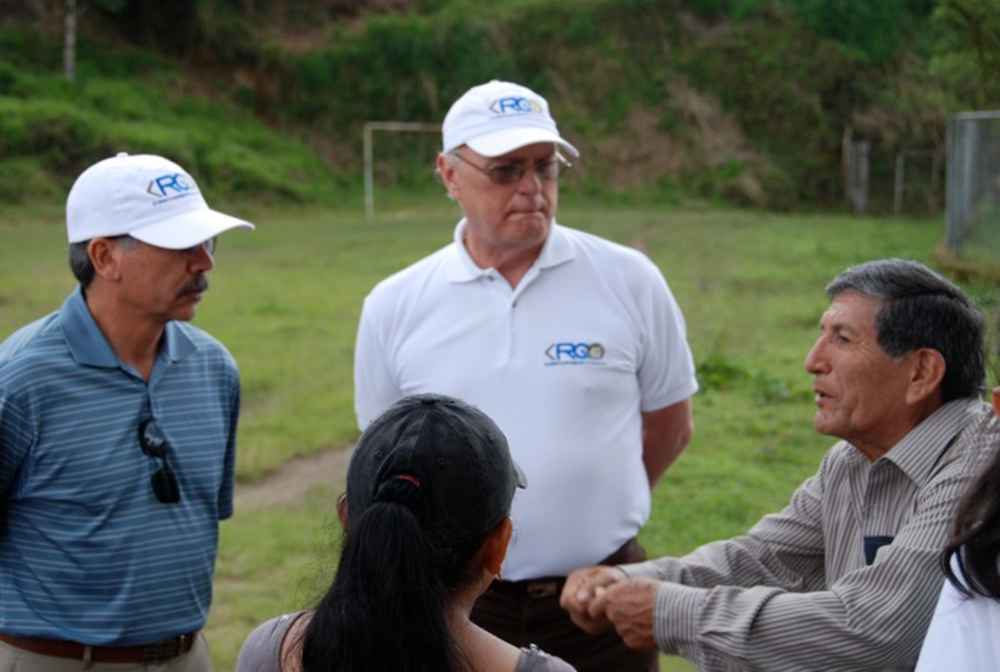
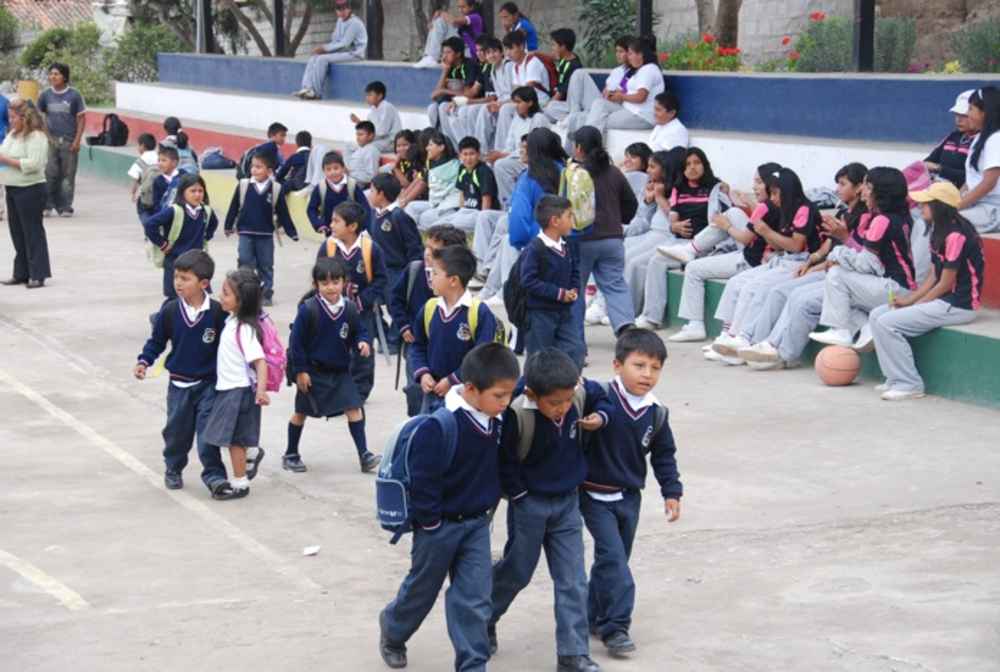
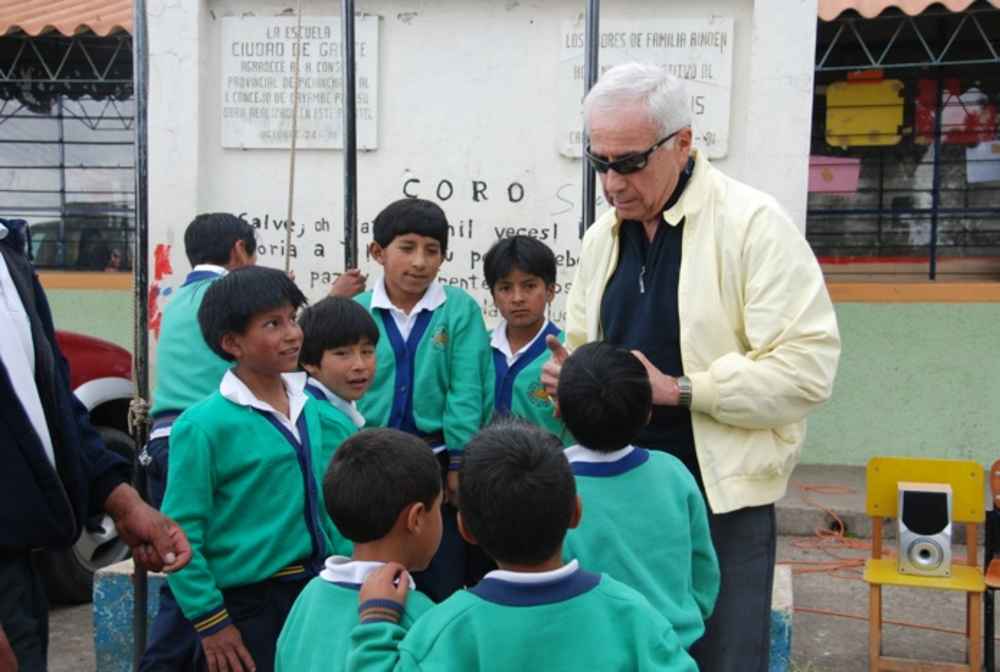
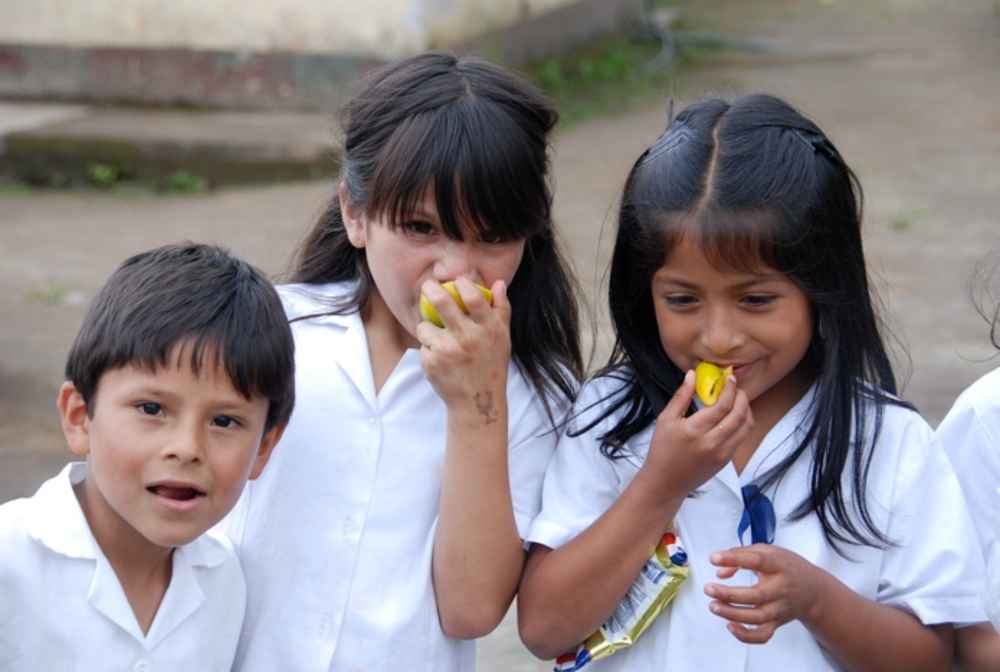
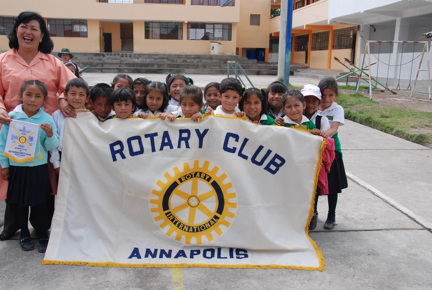
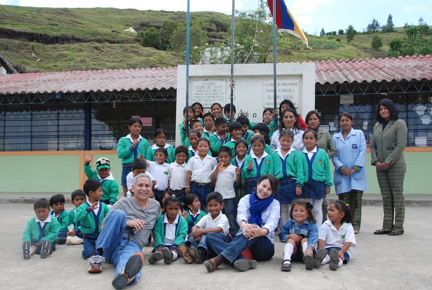
Ecuador - Basic Education and Literacy
Global Grant 25003 - Literacy Initiative in Ecuador

Executive Summary: Teacher-Training Program for Primary School Teachers in early grade reading using the USAID Centers for Excellence in Teacher Training (CETT) Model
Country: Ecuador
Project Type: Education in primary schools in the Quito metropolitan district, evaluated by the Ministry of Education, Ecuador and executed by the University Andina Simon Bolivar
Target Population: 60 Teachers from marginalized areas, 15 schools
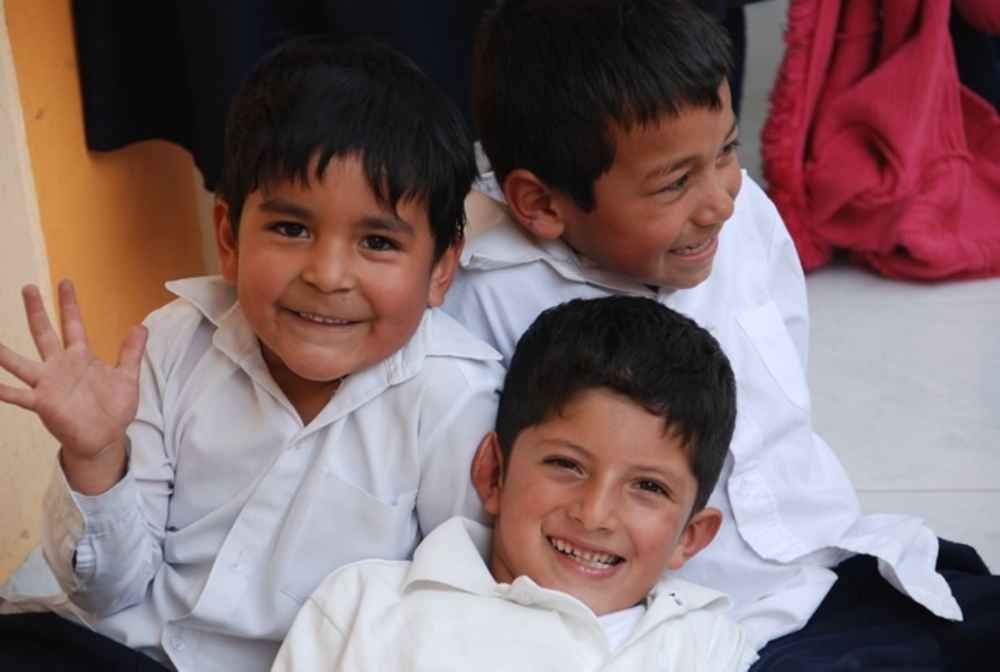
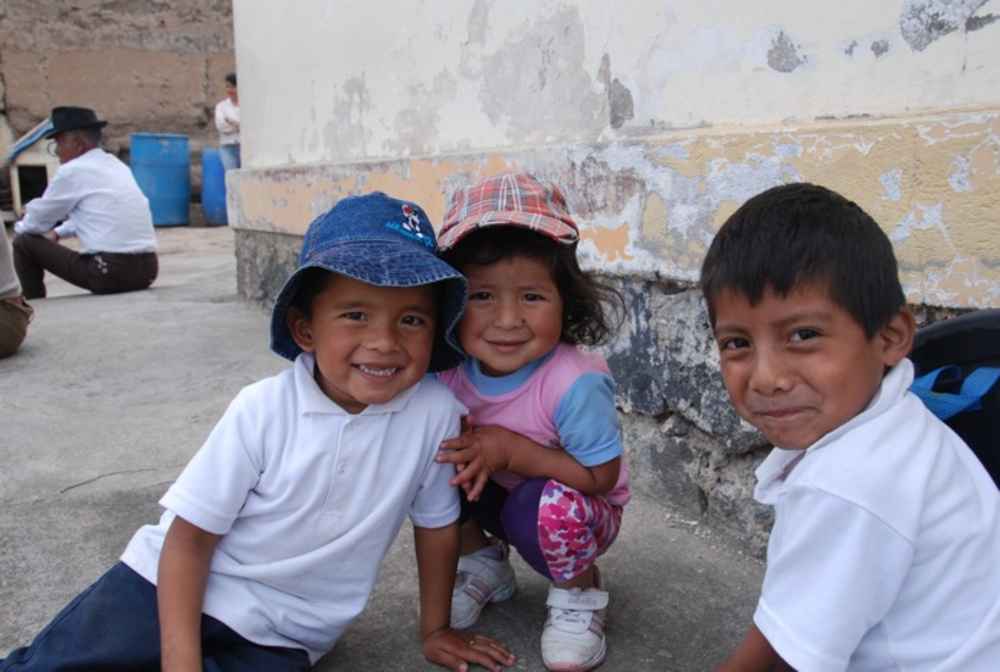
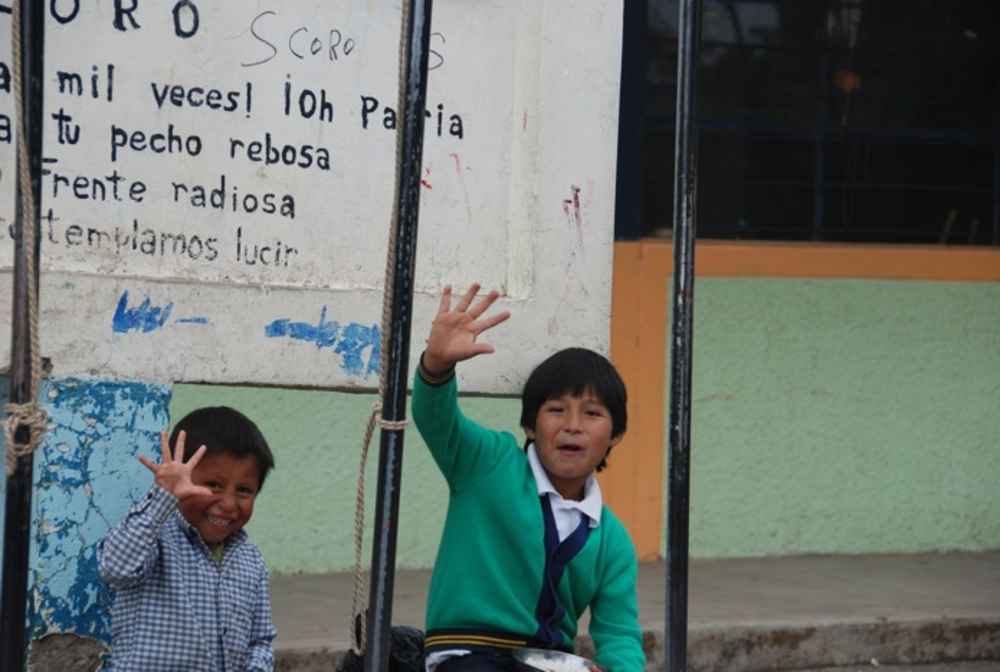
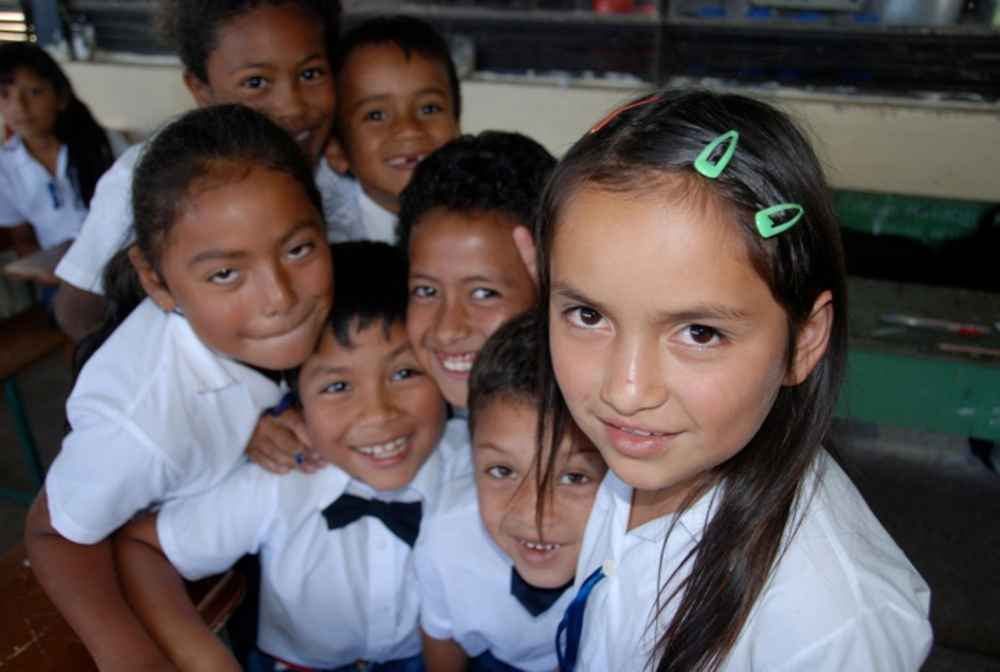
Beneficiaries: Over 3,000 primary school children
Global Grant #25003: Approved by The Rotary Foundation on 10 November 2010 for $61,375 (Pilot Project)
Host Club: Quito Occidente Rotary Club
International Club: Annapolis Rotary Club
Contributing Clubs: Bethesda Chevy Chase Rotary Club, Washington DC Rotary Club, Capitol Hill Rotary Club, Greenbelt Rotary Club, Bladensburg Rotary Club, Woodlawn-Westview Rotary Club, Dover Capital City Rotary Club, Camden Wyoming Rotary Club
Contributing Districts: Rotary Districts 7620 and 7630
Cooperating Organizations: The Rotary Foundation, The Organization of American States, the University Andina Simon Bolivar, the Ministry of Education (Ecuador), the International Reading Association
Contact person(s): Rachael Blair, District 7620 Grants Chair
Proposed Literacy Initiative in the Americas
How can Rotary International leverage its current partnerships and attract a rigorous and innovative public/private sector collaboration in the promotion of child literacy throughout the Americas?
With 32,000 rotary clubs worldwide in over 200 countries and with over 1.2 million strong, Rotary International would like to strengthen its impact on child literacy by creating sustainable literacy training programs with the enthusiasm of strategic partners who will offer the following:
• in particular, the elevation/promotion of female children as individuals who have an inalienable right to education
• technical expertise
• cost sharing
• support through advocacy groups
• performance and professionalism rewards
• effective evaluation of programs
• motivational approaches (tie in with the “child experience” through artistic expression, creating the professional development of teachers who are well trained, well equipped and self confident)
• integration and coordination of educational systems
• installation of libraries and classroom reading nooks
• targeted messages through marketing, public relations that are culturally sensitive and have national appeal (e.g., The Future of our Economy depends on the Quality of our Education, Increasing Access to Education is a Key Step to Future Development, Before you can be Altruistic you Need to Know Yourself, Children who Read are more Creative and Curious, Spreading Understanding and Familiarity, Make our Families Strong)
• the enhancement of human rights
Once the pilot project in Quito has been evaluated (February 2011), we propose to take this program nationwide and then target other countries in the Americas until all of the OAS member states have received the full literacy teacher-training program. We anticipate a nationwide approach lasting 4 years and requiring a multi-million dollar investment. After 4 years, it is hoped that the program will have reached a sustainable existence with the in-country public/private sector.
Teacher-Training (CETT) highlights
• In CETT schools, the majority of children are able to read in first grade. In second grade they are able to produce texts (stories, letters that they share with peers from neighborhood schools, recipes for local meals, etc.) This is in dramatic contrast to non-CETT schools, where students often cannot read even at the end of third grade.
• The Andean CETT is providing small libraries to classrooms and materials to support learning processes.
As stated by JBS International, the company hired by CETT to analyze performance measurement and management, “The private sector’s involvement is critical in ensuring that every child learns to read. Companies exert tremendous efforts in the area of primary education and literacy training. Companies adopt schools, provide special programs for children of their employees, encourage employee mentoring and volunteerism in disadvantaged schools, promote “stay-in-school” programs, and much more. Partnership between CETT and the private sector will bring new force and advocacy to the fight against child illiteracy. Corporations and governmental organizations working together for child literacy can deliver a strong message that a well-educated population is the cornerstone of personal, social and economic development.”
Any effective literacy program requires the utilization of local resources, regional input and indigenous knowledge. These markers will create the innovation required to maintain a sustainable literacy ethos.
Prepared by Rachael Blair – 8 January 2011 – Annapolis Rotary Club – 443 716-6917

Phase 2 - The Reading Nooks
We would like to create reading nooks in each classroom participating in this project by creating a small, yet comfortable and visually appealing area designated for reading. The area will have age appropriate books and furniture to stimulate a child's desire to read. We estimate that each reading nook will cost approximately $600 (inclusive of books, furniture and creative displays). Our total project budget is $27,000. We have approached several publishing companies and hope to implement this project beginning in August 2011.
We have commissioned a well known artist from Peru, "Tarmeño" - Jorge Fernandez Villalba, to paint watercolours of children reading. Tarmeño studied at the National School of Fine Arts in Lima, Peru. He has spent a great deal of time in Ecuador sharing his talents with many social organizations. His attention to marginalized groups has created a social-artistic theme in many of this paintings. They reflect his sensitivity and tenderness to issies we sometimes avoid. We hope these artistic wonders will inspire the private sector and others to contribute to this effort.
Mali - Disease Prevention and Treatment - Malaria
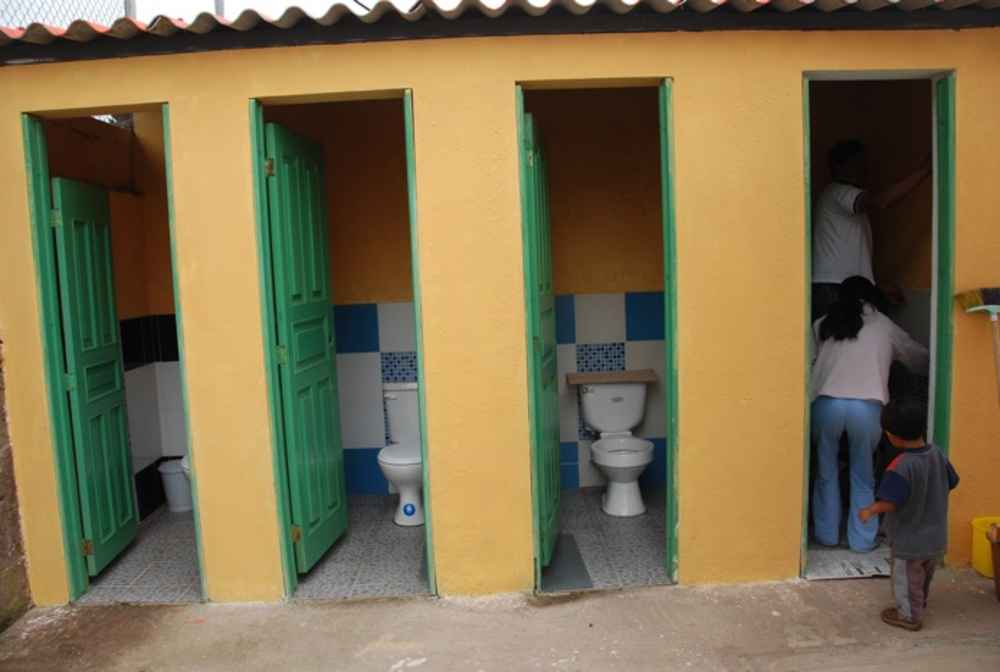
Ecuador - Water and Sanitation

Host Club - Quito Occidente Rotary Club
International Club - Annapolis Rotary Club
Project Amount - $14,400
Project Objectives: To provide clean water and adequate sanitation facilities to 6 schools in very poor and neglected areas outside of Quito, Ecuador.
Peru - Safe Blood
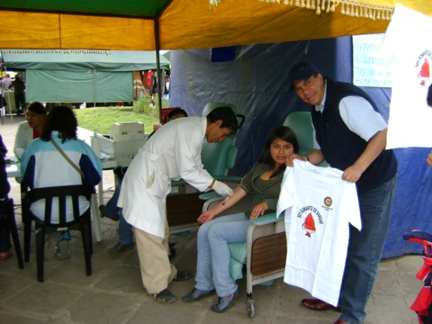
Peru – Safe Blood Awareness Program

Host Club - Inka Cusco Rotary Club
International Club - College Park Rotary Club
Contributing Clubs - Parole Rotary Club and Annapolis Rotary Club
Cooperating Organizations - Pan American Health Organization, Ministry of Health, Safe Blood Inc
Project Amount - $15,000
PROJECT OBJECTIVES: (1) For Rotarians to promote blood donations among the population of Cusco (approx. 350,000 - urban population 60% and rural population 40%) by the strategic implementation of a media campaign (press, radio, TV). (2) To educate the public about the importance of having voluntary, safe blood donors instead of paid and replacement donors. (3) To improve the overall capacity and efficiency of blood banks in the public hospitals. (4) To increase the number of voluntary blood donors and repeat blood donors.
Turkey - Computer Lab
Education and Community Development – Computer Lab for Primary School
Host Club – Soke Rotary Club
International Club – Lexington Park Rotary Club
Contributing Club – Annapolis Rotary Club
Project Amount - $17,300
Project Objective: To equip a primary school with much needed computers and educational supplies to stimulate and enhance early learning.
Czech Republic - Home for Unsupported Mothers
Niger - Solar Panel Fabrication
For more information about our international projects or how you can get involved; please contact Rachael Blair